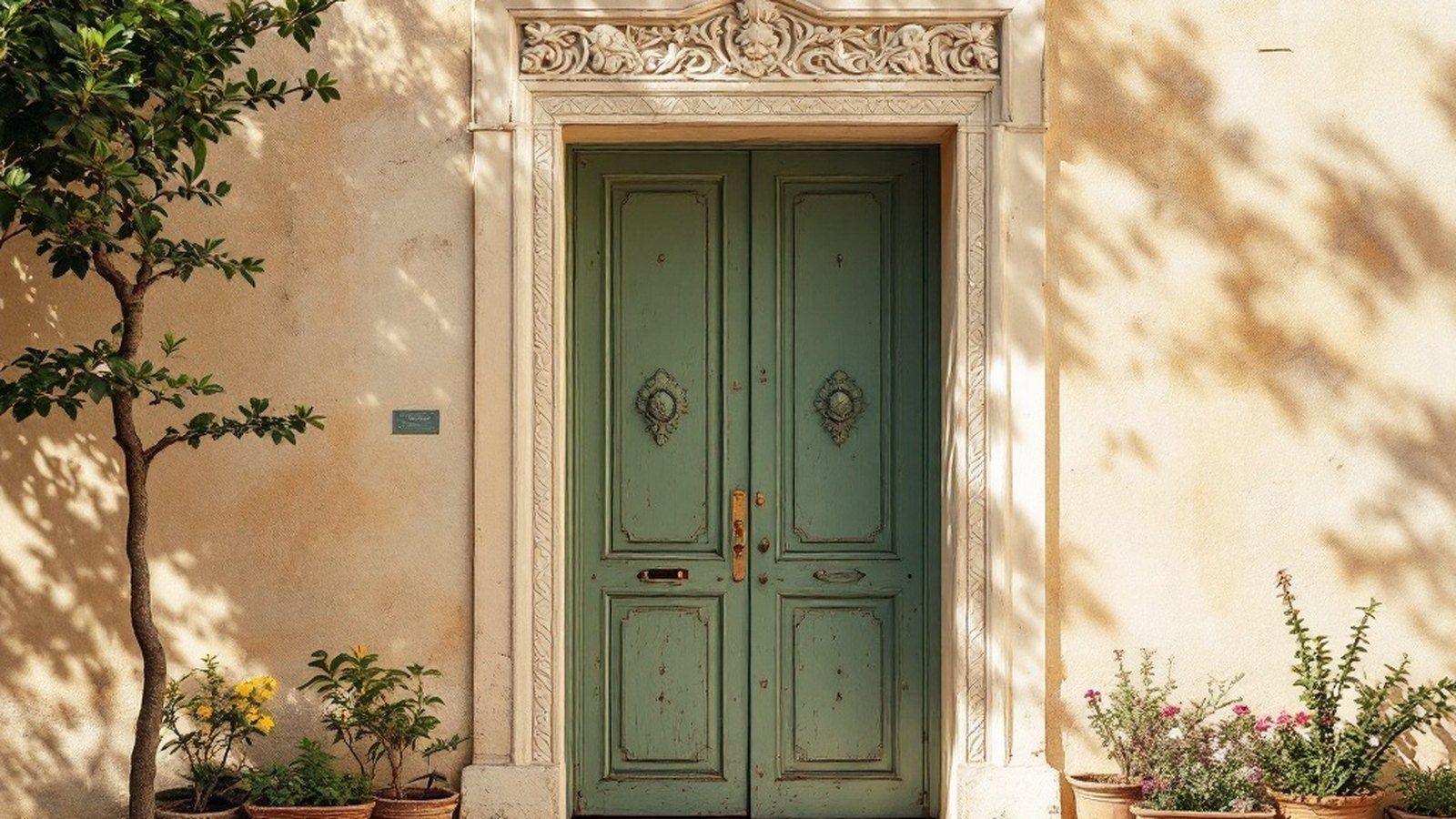
01A stage set in stone
Tucked between Béziers and Montpellier in the Hérault plain, Pézenas wears its past with extraordinary composure. The old town is essentially a single Renaissance and seventeenth-century set piece: a labyrinth of arcaded streets, carved doorways and sun-warmed courtyards belonging to the hôtels particuliers that once housed the governors, consuls and financiers of the Languedoc estates.
The town's theatrical fame rests on a single decade. Between 1650 and 1661, Armand de Bourbon, Prince de Conti, governed the Languedoc from Pézenas, and with him came the young Jean-Baptiste Poquelin — Molière. His troupe performed in the town's great houses during the Estates assemblies, and the playwright absorbed its human comedy: the swaggering minor nobility, the sharp-tongued barbers, the credulous bourgeois. The barber Gély's shop, where Molière is said to have sat and watched townspeople come and go, is still pointed out on the Rue Conti. Whether the stories are wholly true matters less than the fact that the town has held them tenderly for three and a half centuries.
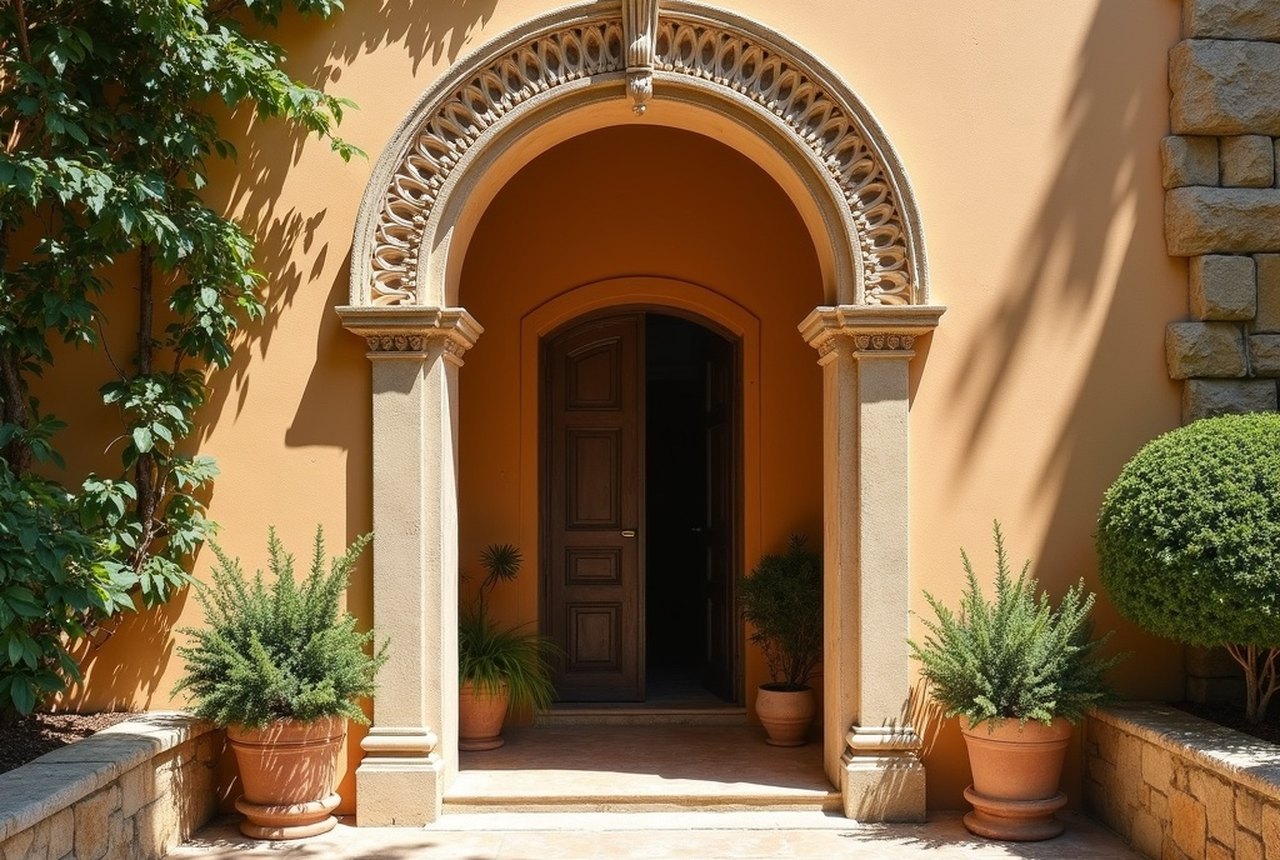
02Courtyards, craftspeople and little pies
Today Pézenas repays slow exploration. The Rue de la Foire and the adjacent lanes are lined with workshops where glassblowers, potters, jewellers and restorers of antique furniture occupy the ground floors of mansions whose upper storeys still display sixteenth- and seventeenth-century stonework — pilasters, loggias, the occasional grotesque mask over a portal. The weekly Saturday market spills through the old quarters with characteristic southern vigour, and brocante dealers fill streets that would not look out of place in a smaller, less-visited Montpellier.
The town's edible souvenir requires explanation: the petit pâté de Pézenas is a thumb-sized pastry with a filling of spiced and sweetened minced lamb — a combination of suet, brown sugar, lemon zest and spice that reportedly arrived with the retinue of Lord Clive of India, who wintered here in the 1760s. The story may be embellished, but the pastry is entirely real: a warm, faintly exotic mouthful that belongs to no other place on earth.
Pézenas has none of Carcassonne's drama and does not need it. It is a town for an afternoon that stretches, almost without noticing, into early evening — glass of local Pézenas-appellation wine in a shaded courtyard, footsteps echoing on old stone, the feeling that the stage has been set and no one has quite thought to strike it.
—A short chronology
- 1650Armand de Bourbon, Prince de Conti, establishes court at Pézenas; Molière's troupe arrives
- 1658Conti's patronage having ended, Molière departs for Paris
- 1760sLord Clive of India winters in Pézenas; petit pâté tradition reportedly established
—People & places
Molière
Jean-Baptiste Poquelin, France's greatest comic playwright, performed here in the 1650s
Armand de Bourbon, Prince de Conti
Governor of Languedoc who patronised Molière's troupe in Pézenas
Rue Conti
central street of Pézenas old town, heart of the theatrical memory
Lord Clive of India
British general and colonial administrator; legendary origin of the petit pâté
Glossary
- hôtels particuliers
- grand private townhouses typical of French historic city centres
- garrigue
- fragrant Mediterranean scrubland of herbs, shrubs, and wild plants
- brocante
- French term for second-hand and antique goods market
- appellation
- official French wine classification defining geographic origin and standards