01A Mountain That Belongs to a People
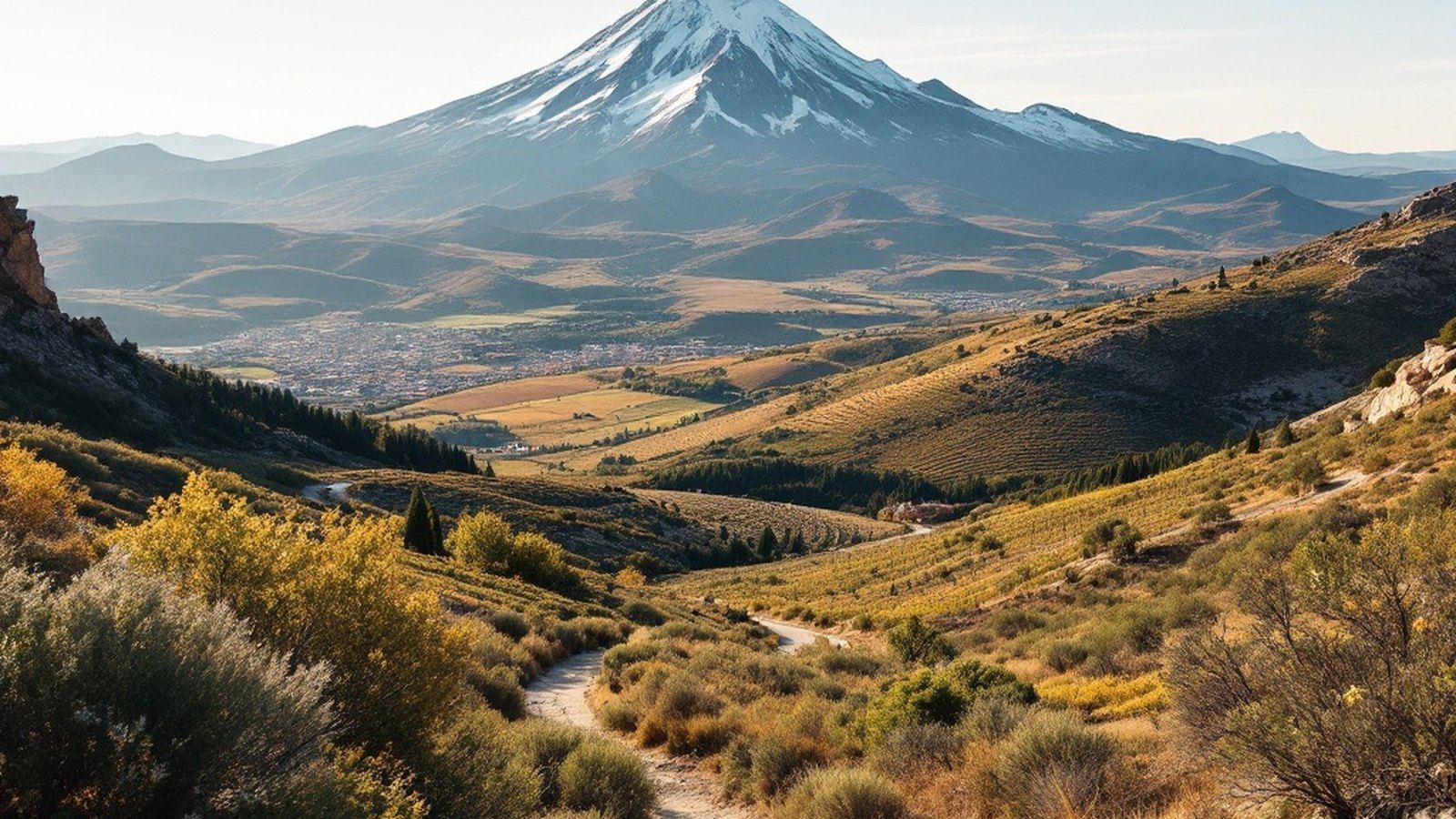
Few peaks carry the weight of identity that Pic du Canigou bears. Rising to 2,784 metres above the Pyrénées-Orientales, it stands close enough to the Mediterranean coast that on clear days its snowfields are visible from the beaches near Perpignan — a vertical drama compressed into barely fifty kilometres of horizontal distance. The mountain anchors the Catalan emotional landscape as firmly as any flag or anthem. Approach it from the Tech or Têt valley and you understand why: Canigou does not gradually materialise. It erupts from the foothills, massive and abrupt, drawing the eye upward until the sky seems to belong to it.
The Catalan attachment is ancient and ceremonial. Every year on the eve of Sant Joan — the feast of St John, midsummer night — a flame is lit on the summit and carried by relay runners down through the villages of the Pyrenees and across Catalonia on both sides of the French-Spanish border. Torches pass hand to hand through the night, kindling bonfires in town squares from Perpignan to Barcelona. The ritual, revived in the twentieth century and now deeply embedded in regional life, makes Canigou not merely a geographical fact but a living symbol of Catalan continuity.
02Abbey, Forest, and Open Ridge
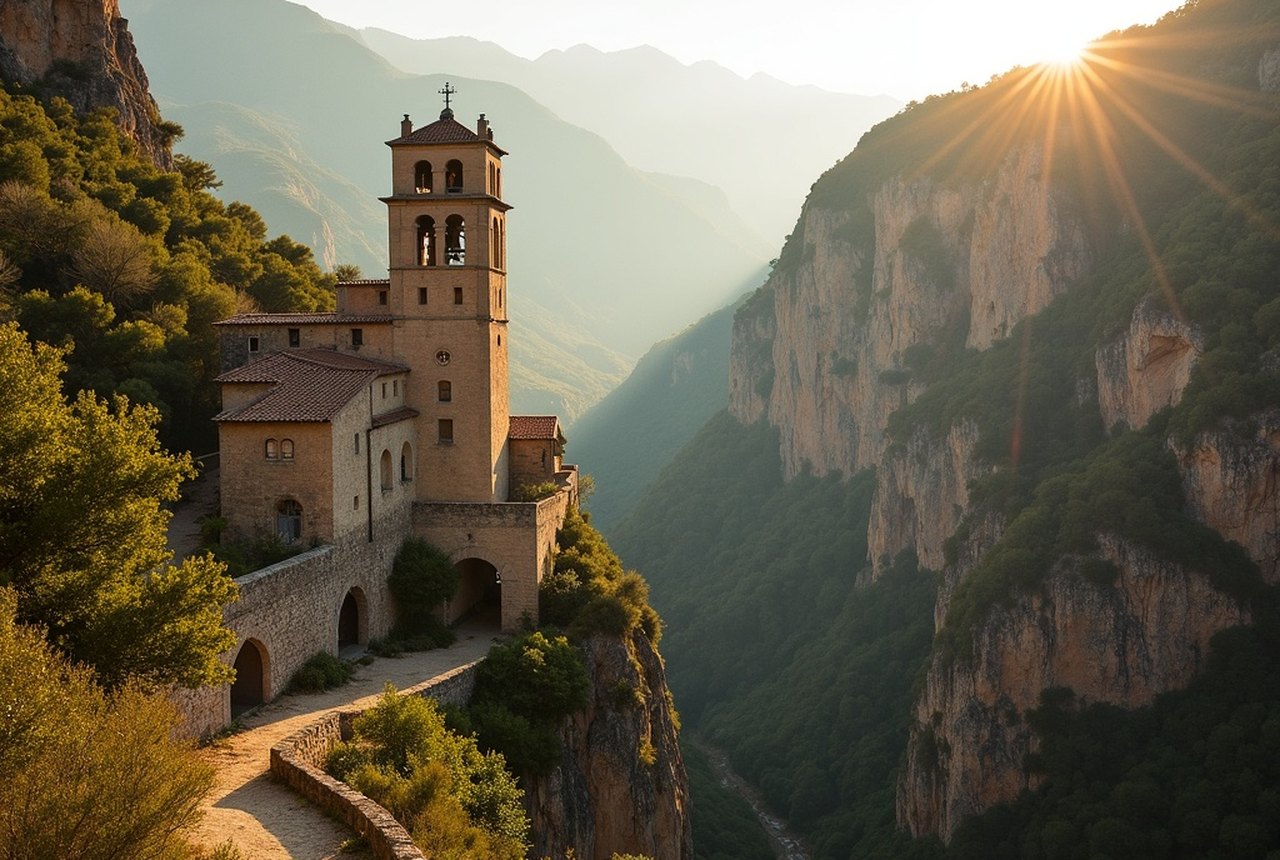
Clinging to a rocky spur at roughly 1,055 metres on Canigou's southern flank, the Romanesque abbey of Saint-Martin-du-Canigou is one of the most dramatically situated religious buildings in France. Founded at the turn of the eleventh century by the Count of Cerdanya, it was built in stages on a narrow terrace of rock, its square bell-tower rising above a sheer drop into the gorge of the Cady. After centuries of use, earthquake damage, and abandonment, the abbey was substantially restored in the early twentieth century and today remains an active monastic community. The cloister, though much reconstructed, preserves carved capitals of serene simplicity. To reach it from the village of Casteil, visitors climb on foot through chestnut and oak woodland — the approach itself a kind of preparation.
Above Saint-Martin, the mountain's vegetation shifts with altitude in well-defined bands. The mid-slopes carry dense forests of Scots pine and silver fir, their understorey threaded with bilberry and, in damper hollows, the large-leaved butterbur. Higher still, the treeline gives way to subalpine meadows brilliant in June and July with alpine clover, rockrose, and the pale-yellow trumpets of Pyrenean gentian. In the wind-scoured zone approaching the summit, cushion plants and mat-forming sedges hold the thin soil against the elements — a miniaturised, tenacious garden at the roof of the range.
The wildlife matches the terrain in its verticality. Izards — the Pyrenean chamois, nimble and rust-coated in summer — graze the upper meadows and pick their way across the rocky ridges with a casualness that shames most human hikers. Griffon vultures ride thermals above the southern cliffs, and in summer the short-toed eagle hunts the scrubby slopes below the treeline. Marmots, reintroduced to the Pyrenees in the twentieth century, whistle from the boulder fields, their burrows dotted across the high meadows like small earthworks.
03On the Mountain
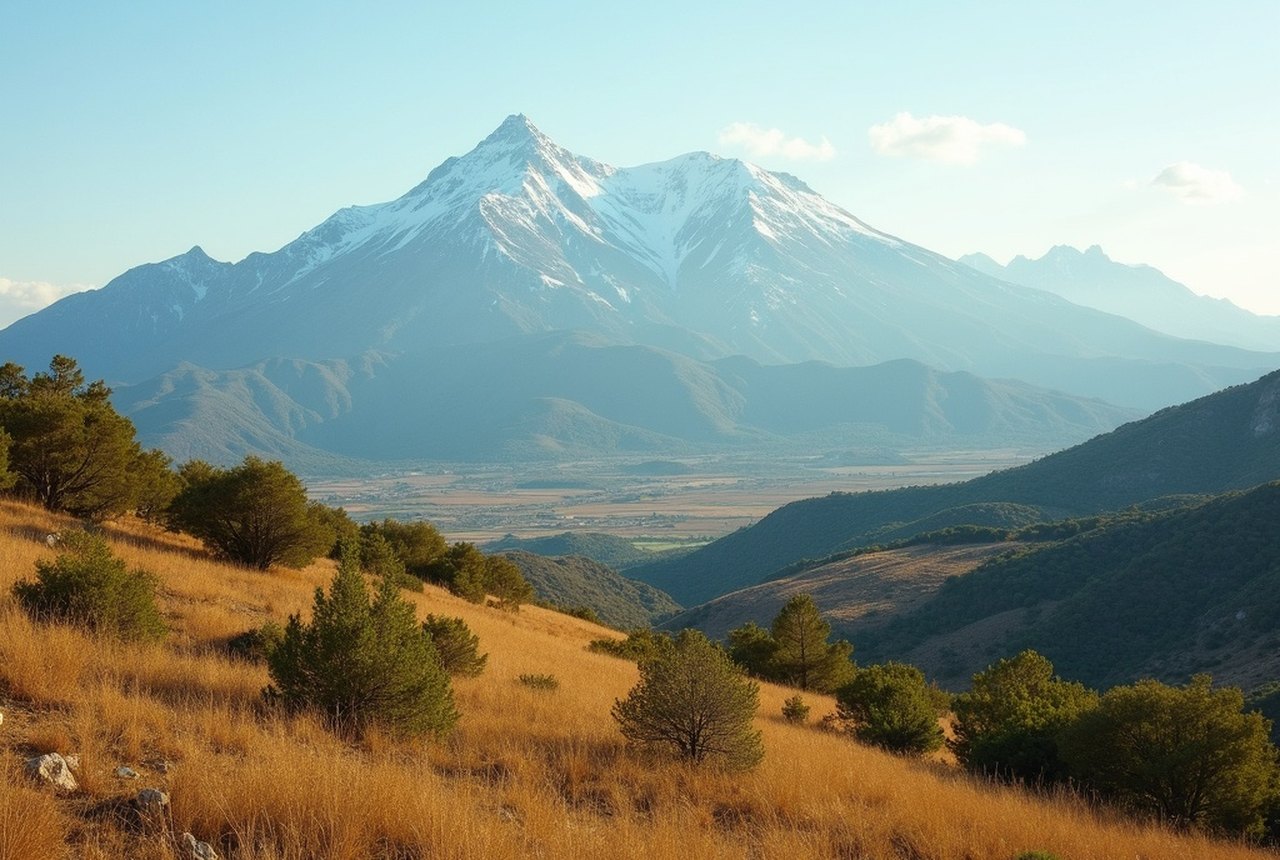
The standard ascent from Mariailles or Chalet des Cortalets is a serious but non-technical day hike of several hours, gaining altitude through pine forest before breaking onto the bare summit ridge. The final pull to the cross-topped peak is steep and occasionally vertiginous but rewards with a panorama stretching — on the clearest of days — from the Corbières to the north to the Golfe du Lion curving southward toward the Costa Brava. Snow lingers on the upper slopes well into spring, making early-season attempts a matter of timing and preparation.
Canigou belongs, ultimately, to neither hiker nor historian but to its own idea of itself — a peak that has absorbed centuries of human devotion without losing its essentially wild character. Come for the abbey, stay for the izards, and leave with the knowledge that somewhere below, the coastal plain remembers every metre of the climb.
—A short chronology
- Early 11th centuryAbbey of Saint-Martin-du-Canigou founded by Count of Cerdanya
- Early 20th centuryAbbey substantially restored after long abandonment
- 20th centurySant Joan flame relay ceremony revived as living Catalan tradition
- 20th centuryMarmots reintroduced to the Pyrenees
—People & places
Pic du Canigou
2,784 m summit in Pyrénées-Orientales, sacred to Catalan identity
Saint-Martin-du-Canigou
Romanesque abbey on Canigou's southern flank, active monastic community
Casteil
village at the foot of the path to Saint-Martin-du-Canigou
Mariailles / Chalet des Cortalets
standard trailheads for the summit ascent
Pyrénées-Orientales
southernmost French department, historically Catalan
Glossary
- Sant Joan
- Catalan midsummer feast (St John's Eve), celebrated with bonfires
- izard (isard)
- Pyrenean chamois; agile wild ungulate of high mountain terrain
- Romanesque
- Medieval architectural style using rounded arches and solid stonework
- subalpine meadow
- High-altitude grassland above the treeline, rich in alpine flora